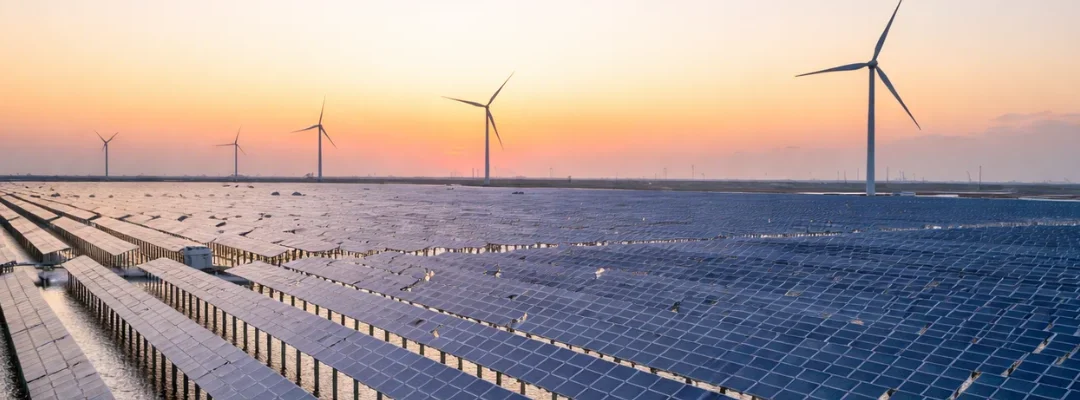
Energy needs are changing quickly. Homes, villas, farmhouses, and small commercial spaces now depend on electricity for lighting, cooling, internet, appliances, pumps, security systems, and daily convenience. At the same time, users want cleaner energy, lower electricity costs, and better backup during supply interruptions.
This shift is one of the main reasons solar + wind hybrid systems are gaining attention. Synergy Automatics provides Solar + Wind Hybrid Systems that combine solar panels, a wind turbine, battery storage, and inverter integration in one coordinated design. The result is a more flexible power solution that can support daily use and improve backup readiness when designed properly.
In simple terms, hybrid systems are attracting attention because they can support better reliability, smarter backup planning, and more balanced renewable energy use when designed properly.
Why Modern Energy Needs Are Changing
Electricity use in modern homes is no longer limited to lights and fans. Even a small home may now depend on:
- Lighting
- Fans
- Refrigerator
- Television
- Wi-fi Router
- Cctv
- Washing Machine
- Water Pump
- Charging Points
- Work-from-home Devices
This shift changes what people expect from an energy system. Many users now want more than a basic power supply. They want:
- Better Control Over Electricity Costs
- Reduced Dependence On The Grid
- Reliable Support For Essential Loads
- Cleaner Energy Options
- A System That Can Grow With Future Needs
That is why single-source renewable systems do not always feel enough for every situation.
Why Solar Alone Does Not Always Meet Modern Expectations
Solar power is one of the most practical renewable options for homes and small properties. It works well during the day and can help reduce electricity bills. But solar depends on sunlight.
Its output reduces in cloudy weather, drops in the evening, and stops at night. This means a solar-only setup may depend heavily on battery storage or grid support when sunlight is not available.
For users who want stronger continuity and better backup readiness, this limitation matters. That is where hybrid systems gain attention.
Why Wind Adds More Value in a Hybrid System
Wind provides a different generation pattern from solar. Unlike solar, wind can contribute whenever there is usable airflow at the site. Depending on local conditions, that may include early mornings, evenings, nighttime, or lower-sun periods.
This difference is what makes wind useful in a hybrid setup.
When integrated properly, wind can:
- Support Generation During Non-solar Hours
- Improve Charging Opportunities For Batteries
- Reduce Pressure On Battery-only Backup
- Diversify The Overall Energy Mix
Of course, wind performance depends on real site conditions such as airflow quality, turbine height, and surrounding obstructions. But where conditions are suitable, wind can make the overall system more balanced.
Modern Users Want Better Reliability, Not Just Bill Savings
Energy planning today is no longer only about reducing electricity bills. Reliability has become equally important.
This matters especially for:
- Homes With Children Or Elderly Residents
- Villas With Higher Comfort Loads
- Remote Or Semi-rural Properties
- Work-from-home Setups
- Homes Using Cctv, Internet Systems, And Automation
- Properties Where Refrigeration And Water Pumping Are Important
A solar + wind hybrid system gains attention because it supports this need for better continuity. When solar, wind, batteries, and inverter control are integrated correctly, essential loads can be supported more effectively than with a single-source setup.
Hybrid Systems Help Improve Energy Continuity
One of the biggest reasons hybrid systems are becoming more relevant is that they support energy continuity across changing conditions.
For example:
- Solar May Support Daytime Generation
- Wind May Assist When Sunlight Is Low
- Batteries Store Energy For Later Use
- The Inverter Supplies Usable AC Power To Selected Circuits
- The Controller Coordinates Charging And Power Flow
This does not mean full power is available at all times. It means the system is designed to use available renewable energy more intelligently throughout the day.
That is a major reason hybrid systems are gaining attention in modern energy planning.
Better Backup Planning Is Driving More Interest
Many homeowners now want a system that does more than save money. They also want selected loads to stay active during power cuts.
In a battery-backed hybrid setup, stored energy can support essential circuits such as:
- Lights
- Fans
- Wi-fi Router
- Cctv
- Refrigerator
- Charging Points
- Small Office Equipment
When both solar and wind contribute to charging, the battery may have more opportunity to recover under suitable site conditions. This makes hybrid systems attractive to users who want stronger backup planning without depending entirely on one source.
Hybrid Systems Match the Shift Toward Smarter Homes
Today’s homes are becoming more energy-aware. People now ask more practical questions such as:
- How much power do we use daily?
- Which loads are essential during outages?
- How much backup do we really need?
- Can the system expand later?
Hybrid systems fit this mindset because they can be planned around:
- Daily Energy Requirement
- Essential Load Selection
- Available Roof Or Ground Space
- Wind Feasibility
- Desired Backup Hours
- Future Expansion Plans
This planning-based approach makes hybrid systems feel more relevant to modern users.
Environmental Awareness Is Also Increasing
Another reason solar + wind hybrid systems are gaining attention is the growing interest in cleaner energy use. Many homeowners and businesses want to reduce reliance on conventional power and increase renewable contribution where practical.
A hybrid setup supports this goal by combining two renewable sources in one design. It can help improve renewable contribution across more hours of the day and reduce dependence on grid power for selected loads.
For environmentally conscious users, this adds value beyond backup and cost.
People Are Moving Away from Single-Source Dependence
More users now understand that every energy source has limitations. Solar depends on daylight. Wind depends on site airflow. Batteries depend on proper charging and correct sizing.
A hybrid system gets attention because it reduces dependence on only one source. It is seen as a more adaptive solution for real-world conditions, especially where the goal is not just savings, but also a more stable and usable renewable setup.
Hybrid Systems Make Better Use of Battery Storage
Battery storage is one of the most important parts of a backup-capable renewable system. But battery performance depends heavily on how well the charging process is planned.
In a hybrid system, battery charging may benefit from support from more than one energy source. Instead of depending only on solar hours, the system may also receive wind input when conditions are suitable.
This does not replace the need for proper battery sizing, but it can make the overall energy strategy more flexible. That is another reason hybrid systems are receiving more serious attention.
Flexible Design Makes Hybrid Systems More Appealing
A solar + wind hybrid system can be designed for different types of properties, such as:
- Grid-assisted Homes
- Off-grid Homes
- Villas
- Farmhouses
- Rural Properties
- Remote Monitoring Points
- Small Commercial Spaces
In some projects, the system can also be expanded in stages. A user may begin with solar and battery support and later add wind, provided the electrical design supports future integration.
This flexibility is one more reason hybrid systems are being considered more often.
Why Long-Term Value Matters More Today
Buyers are becoming more practical. Many are no longer looking only for the cheapest setup. They are looking for better long-term value.
A hybrid system may involve more planning and a higher initial investment than a simple single-source setup, but users increasingly evaluate value based on:
- Backup Capability
- Renewable Contribution
- Reduced Single-source Dependence
- System Flexibility
- Long-term Serviceability
- Future Expansion Potential
Because of this, hybrid systems are increasingly seen as a practical solution when the site and usage pattern justify the investment.
Why Proper Engineering Matters
Growing awareness about hybrid systems is a good thing, but the system only delivers real value when it is engineered correctly.
That includes:
- Load Analysis
- Solar Sizing
- Wind Suitability Assessment
- Battery Sizing
- Inverter And Controller Compatibility
- Safe Electrical Integration
- Structural Planning
- Protection And Earthing
- Service Access
This engineering-led approach is one reason hybrid systems are now being discussed more seriously. People are not just looking for equipment. They are looking for a reliable system design.
Are Hybrid Systems Suitable for Everyone?
No. A hybrid system is not the right choice for every property.
It tends to gain the most attention where:
- Backup Need Is Important
- Solar Alone May Not Meet Expectations
- Wind Conditions Are Reasonably Usable
- Long-term Reliability Matters
- The Owner Wants More Energy Flexibility
- There Is Safe Installation Space And Access
In highly obstructed urban locations with poor airflow, wind contribution may be limited. That is why correct site assessment matters more than assumptions.
Why Interest in Hybrid Systems Will Continue to Grow
The attention around solar + wind hybrid systems is likely to continue because modern energy expectations are changing. Users increasingly want systems that are cleaner, more flexible, and better suited to real-life use.
Hybrid systems bring together several things that modern users care about:
- Renewable Energy Use
- Improved Reliability
- Stronger Backup Planning
- Reduced Single-source Dependence
- Future-ready Design
That combination is exactly why they are getting more attention.
FAQs
Why are solar + wind hybrid systems becoming popular?
They are becoming popular because they combine cleaner energy use, better backup support, and more flexible renewable generation in one system.
Why do hybrid systems get more attention than single-source systems?
Because they reduce dependence on one source and can improve energy continuity when designed properly.
Are hybrid systems mainly chosen for savings or backup?
They can support both, but many users now choose them for a balance of savings, backup readiness, and renewable energy flexibility.
Does every home need a solar + wind hybrid system?
No. The right choice depends on site conditions, power demand, backup expectation, and wind suitability.
Why is wind useful in a hybrid system?
Wind can contribute when sunlight is low, which helps diversify generation and may support better battery charging continuity.
Are hybrid systems suitable for modern homes?
They can be a good fit for homes that want cleaner power, selected-load backup, and a more flexible renewable energy setup.
What makes a hybrid system feel more modern?
Its ability to combine multiple energy sources, battery storage, and managed power flow in one coordinated design.