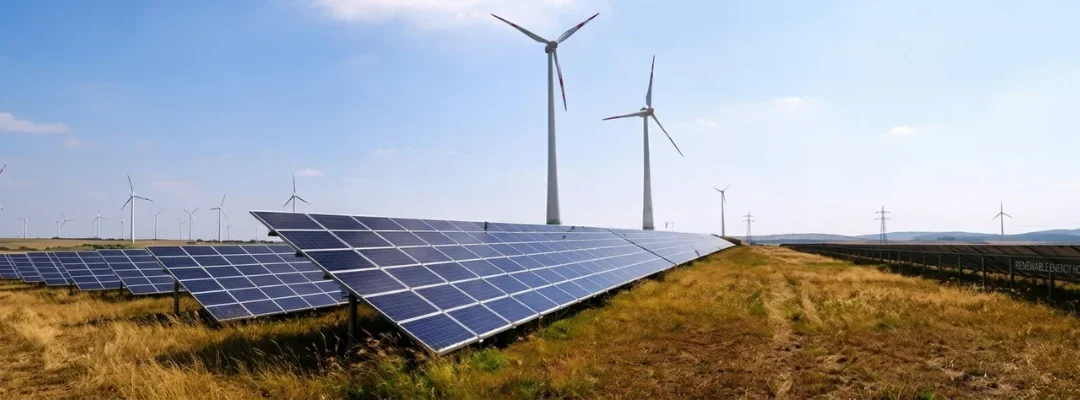
The long-term value of a solar and wind hybrid system comes from more than electricity bill savings. A well-planned system can give you better backup during power cuts, lower dependence on grid supply for selected loads, more balanced renewable energy support, and smarter battery use over time.
That is why a hybrid system should not be judged only by its upfront cost. It should be judged by how well it supports your home over many years.
A solar and wind hybrid system combines solar panels, a wind turbine, battery storage, inverter integration, and protection planning into one coordinated setup. When these parts are chosen and matched correctly, the system becomes a practical long-term energy solution.
Long-Term Value Is More Than Initial Cost
Many homeowners first look at project cost. That is natural. But lower starting price does not always mean better long-term value.
A system may cost less at the beginning, but if it:
- Supports Fewer Loads
- Gives Weaker Backup
- Depends On Only ONE Renewable Source
- Puts More Stress On The Battery
- Becomes Difficult To Expand Later
then its long-term value may be lower.
The better question is not only, “How much does it cost today?”
The better question is, “How useful will it remain over time?”
Better Value from Two Renewable Sources
One of the biggest long-term advantages of a hybrid system is that it uses two renewable sources instead of one.
In many homes:
- Supports Fewer Loads
- Gives Weaker Backup
- Depends On Only ONE Renewable Source
- Puts More Stress On The Battery
- Becomes Difficult To Expand Later
This creates long-term value because the system is not dependent on only one source.
Lower Grid Dependence Adds Value Over Time
A hybrid system can reduce dependence on grid electricity for selected loads. That is an important long-term benefit.
This matters because over time:
- Electricity Costs May Increase
- Power Interruptions May Continue
- Homes Depend More On Stable Power For Daily Use
Important loads such as:
- Lights
- Fans
- Router
- Cctv
- Refrigerator
- Charging Points
can become less dependent on grid supply when the system is planned correctly.
That gives practical value year after year.
Better Battery Charging Makes the System More Useful
Battery storage is one of the most important parts of a hybrid system, especially if backup is needed during power cuts.
A hybrid system can improve long-term usefulness because the battery may receive charging support from more than one source.
This can help with:
- Better Charging Continuity
- More Dependable Backup
- Improved Daily Usability
- Better Balance Between Generation And Storage
In simple terms, the battery becomes more useful when the full system supports it properly.
Reduced Battery Stress Can Improve System Life
A well-designed hybrid system can also reduce unnecessary battery stress.
This is important because battery performance affects the value of the whole system over time.
When charging and power flow are better balanced, the system may offer:
- Better Stability
- More Dependable Backup
- Smoother Day-to-day Performance
- Stronger Long-term Service Value
That is one reason many homeowners see hybrid systems as a long-term energy investment, not just a larger setup.
Better Backup During Power Cuts Has Ongoing Value
For many homeowners, real value becomes clear during a power cut.
With the right battery backup and inverter setup, a hybrid system can help keep essential loads running longer.
This can support:
- Lights
- Fans
- Internet Equipment
- Cctv
- Refrigerator
- Basic Work-from-home Devices
This value continues over time because it improves comfort, continuity, and daily usability whenever power interruptions happen.
Stronger Year-Round Usefulness
A single-source renewable system may feel stronger in one season and weaker in another. A hybrid system can offer better year-round practicality because it uses more than one renewable source.
That means:
- One Source May Help When The Other Is Weaker
- The System Can Stay Useful Across Changing Weather
- Energy Support Becomes More Balanced Through The Year
Homes need electricity all year, not only during the best solar month or the strongest wind period. That is why this year-round balance adds long-term value.
Correct Sizing Protects Long-Term Value
A hybrid system gives the best long-term value only when it is sized correctly.
If the system is:
- Too Small, It May Not Support Your Real Need
- Too Large, It May Increase Cost Without Clear Benefit
Correct sizing should be based on:
- Actual Daily Usage
- Essential Loads
- Backup Hours
- Site Conditions
- Realistic Solar And Wind Contribution
This protects both performance and budget over time.
Quality Components Matter in the Long Run
Long-term value depends heavily on component quality.
A system built with reliable panels, turbine, inverter, batteries, and protections is more likely to provide:
- Dependable Operation
- Safer Performance
- Better Service Life
- Fewer Early Replacement Issues
A lower-cost system may look attractive at the start, but if the components are weak or poorly matched, the long-term value may be lower.
Clean Integration Improves Long-Term Stability
A hybrid system works best when all parts are planned together from the beginning.
Clean integration helps with:
- Stable Charging Behavior
- Smoother Power Flow
- Better AC Output Support
- Safer Operation
- Easier Long-term Maintenance
A hybrid system gives better long-term value when it is treated as one complete energy design, not just a collection of separate products.
Safe Installation Protects the Investment
Safety is also part of long-term value.
A properly installed system should include:
- Correct Wiring
- Earthing
- Isolation
- Protection Devices
- Safe Battery Placement
- Service Access
A system that is safe and easy to maintain is more likely to remain useful and dependable over time.
Future Expansion Adds More Value
Home energy needs may change in the future. A system that can grow later often gives better long-term value.
Future upgrades may include:
- More Battery Capacity
- More Solar Panels
- Improved Monitoring
- Support For More Loads
If the system is planned with future expansion in mind, it can stay useful for longer without major redesign.
A Simple Example
Imagine a home that needs support for:
- Lights
- Fans
- Router
- Refrigerator
- Cctv
A well-sized hybrid system may offer more long-term value than a simpler setup if it gives better backup, more balanced charging, and lower grid dependence for these important loads over many years.
That is what long-term value means in practical use.
Long-Term Value Depends on the Right Fit
Not every hybrid system gives the same result. The best long-term value comes when the system matches the actual house.
That means:
- The Load Is Understood Clearly
- The Backup Need Is Realistic
- Solar Suits The Roof And Usage
- Wind Is Chosen Based On Real Airflow
- Battery Size Matches Backup Hours
- Inverter And Controller Are Selected For Stable Performance
The value comes from choosing the right system, not simply the biggest system.
FAQs
1. What is the long-term value of a solar and wind hybrid system?
Its long-term value comes from better backup, lower grid dependence, improved battery use, and more balanced renewable energy support over time.
2. Is long-term value different from initial project cost?
Yes. Initial cost is only the starting expense, while long-term value includes performance, backup usefulness, reliability, and service life.
3. How does a hybrid system improve value over time?
By combining solar and wind in one setup, it can improve charging continuity, support essential loads better, and stay useful across changing conditions.
4. Does battery stress affect long-term value?
Yes. Lower battery stress can improve system stability and help the full system remain more useful over time.
5. Why is correct sizing important for long-term value?
Because under-sized systems may underperform and over-sized systems may increase cost unnecessarily. Correct sizing protects both performance and value.
6. Do quality components matter in long-term value?
Yes. Reliable panels, turbine, inverter, batteries, and protections can improve long-term performance and serviceability.
7. Can future expansion increase long-term value?
Yes. A system that can grow later may remain useful for longer as household energy needs change.