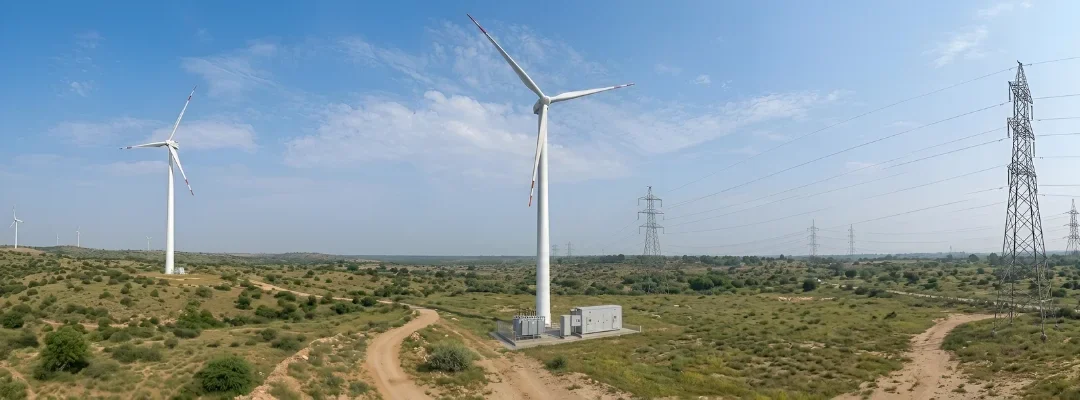
Wind energy is one of the most reliable renewable energy sources for locations with good wind availability. A wind turbine on-grid system helps convert wind energy into electricity and connects that electricity to the utility grid. This makes it a practical solution for homes, farms, commercial buildings, institutions, and industries that want to reduce electricity costs and use clean energy.
A wind turbine on-grid system, also known as a grid connected wind turbine system, works along with the existing electricity grid. When wind power is available, the generated electricity can be used by the connected building or facility. When wind generation is low, the required power is supplied by the grid. In some locations, excess electricity can also be exported to the grid through net metering or net billing.
The importance of wind turbine on-grid system is increasing because energy users are looking for clean, cost-effective, and sustainable power solutions. For suitable sites, an on-grid wind turbine can reduce electricity bills, lower dependence on conventional power, reduce battery requirements, and support long-term renewable energy goals.
What Is a Wind Turbine On-Grid System?
A wind turbine on-grid system is a renewable energy system where electricity generated by a wind turbine is connected to the utility grid through proper electrical and safety equipment.
The system usually includes a wind turbine, tower, controller, grid-tie inverter, protection panel, energy meter, earthing system, lightning protection, and grid interconnection arrangement.
In simple words, the wind turbine generates electricity, and the system sends that electricity to the connected load. If the turbine produces less power than required, the grid supplies the balance. If the turbine produces extra power, it may be exported to the grid where local utility rules allow it.
This makes the on-grid wind power system useful for reducing grid electricity consumption without depending completely on batteries.
How Does a Wind Turbine On-Grid System Work?
A grid connected wind turbine system works by converting wind movement into electrical energy and synchronizing that power with the utility grid.
The working process is simple:
- Wind rotates the turbine blades.
- The rotor transfers mechanical energy to the generator.
- The generator produces electrical power.
- The controller manages turbine output and safety.
- The grid-tie inverter converts the power into grid-compatible electricity.
- The generated electricity is used by the connected home, farm, business, or industry.
- Excess electricity may be exported to the grid if net metering is available.
- If wind generation is low, the grid supplies the remaining power.
This system helps users enjoy renewable energy while maintaining the reliability of grid electricity.
Benefits of Wind Turbine On-Grid System
1. Reduces Electricity Bills
One of the main benefits of an on-grid wind turbine system is electricity bill reduction. When the turbine generates power, the connected property uses that electricity first. This reduces the amount of electricity purchased from the utility grid.
The actual savings depend on:
- Average wind speed
- Turbine capacity
- Tower height
- Electricity tariff
- System efficiency
- Net metering availability
- Maintenance cost
For sites with strong and consistent wind, a wind turbine on-grid system can provide long-term energy savings.
2. Reduces Battery Dependency
Off-grid wind systems usually require batteries to store electricity. Batteries increase the initial cost, require maintenance, and need replacement after some years.
An on-grid wind turbine system works with the utility grid, so large battery storage is usually not required. When wind power is low, the grid supplies electricity. This makes the system simpler and more cost-effective for users who already have reliable grid access.
3. Supports Net Metering or Net Billing
In areas where net metering or net billing is available, surplus wind power can be exported to the utility grid. This helps users make better use of generated electricity and reduce energy wastage.
Before installing a grid connected wind turbine, users should confirm:
- Whether wind net metering is allowed
- Maximum permitted system capacity
- Metering process
- Application procedure
- Export credit or tariff method
- Technical grid connection requirements
Net metering rules vary by location, electricity board, and consumer category.
4. Provides Clean Renewable Energy
A wind turbine on-grid system generates electricity from wind, which is a renewable energy source. This helps reduce dependence on fossil-fuel-based electricity and supports cleaner energy consumption.
This benefit is especially valuable for companies, institutions, farms, resorts, and industries that want to improve their sustainability profile.
5. Improves Energy Utilization
In an on-grid wind power system, generated electricity can be used immediately by the connected load. If wind generation is lower than demand, the grid supplies the balance. If wind generation is higher than demand, extra power may be sent to the grid where permitted.
This improves the practical use of wind energy and reduces the chance of wasting generated power.
6. Suitable for Solar-Wind Hybrid Systems
A wind turbine on-grid system can be combined with solar panels to create a solar-wind hybrid system. Solar power works well during sunny hours, while wind power can support generation during windy periods, cloudy weather, evenings, or seasonal wind conditions.
A hybrid renewable energy system can improve energy availability when designed with compatible inverters, controllers, protection panels, and grid approval.
7. Useful for Farms and Rural Properties
Farms, rural properties, agricultural lands, and open areas often have better wind exposure than crowded urban locations. A grid connected wind turbine system can help reduce electricity use for lighting, irrigation support, farm buildings, small machinery, and rural business operations.
Before installation, the site should have proper wind speed, open space, safe tower placement, and utility approval.
8. Supports Commercial and Industrial Power Savings
Commercial buildings and industries usually consume large amounts of electricity. If the location has suitable wind resources, an on-grid wind turbine system can help reduce electricity expenses and increase renewable energy contribution.
Industries can also combine wind power with solar energy to improve renewable power generation throughout different weather and seasonal conditions.
9. Reduces Wastage of Excess Wind Power
In a standalone system without proper battery storage, extra wind power may not be fully used. In an on-grid system, surplus electricity can be exported to the grid where utility regulations allow it.
This improves the value of generated wind energy and makes the system more practical.
10. Helps Meet Sustainability Goals
Many businesses and institutions are working toward ESG goals, clean energy targets, and carbon reduction plans. Installing a wind turbine on-grid system can support these goals by increasing renewable energy usage.
It also shows a visible commitment to sustainable power generation.
Wind Turbine On-Grid System vs Off-Grid System
| Feature | On-Grid Wind Turbine System | Off-Grid Wind Turbine System |
|---|---|---|
| Grid Connection | Connected to utility grid | Not connected to grid |
| Battery Requirement | Usually not required or optional | Usually required |
| Main Purpose | Reduce electricity bills | Provide power where grid is unavailable |
| Excess Power Use | Can export where permitted | Needs battery or dump load |
| Backup During Low Wind | Grid supplies power | Battery or generator required |
| Best Suitable For | Homes, farms, commercial and industrial sites with grid access | Remote and isolated locations |
An on-grid wind turbine system is suitable when grid power is available and the user wants to reduce electricity consumption. An off-grid system is suitable for remote areas where grid electricity is not available.
Role of Net Metering in Wind Turbine On-Grid System
Net metering allows users to export surplus electricity to the grid where regulations permit. This can improve the value of an on-grid wind turbine system because unused energy is not wasted.
Before installation, users should confirm with the local utility:
- Whether wind net metering is allowed
- Maximum system capacity permitted
- Metering process
- Application procedure
- Tariff or credit method
- Technical grid connection standards
This helps avoid approval delays and connection issues.
Common Mistakes to Avoid When Installing an On-Grid Wind Turbine
Avoid these common mistakes when planning a wind turbine on-grid system:
- Installing without wind speed assessment
- Selecting turbine capacity only by rated wattage
- Ignoring utility approval requirements
- Using a non-compatible inverter or controller
- Installing in turbulent wind locations
- Skipping earthing and lightning protection
- Not checking tower height permission
- Ignoring maintenance access
- Expecting solar-like output from wind without site data
- Not comparing expected generation with investment cost
A well-designed system should be based on actual site data and proper engineering.
FAQs About Wind Turbine On-Grid System
1. What is the importance of wind turbine on-grid system?
The importance of wind turbine on-grid system is that it helps generate clean electricity, reduce grid power consumption, lower electricity bills, reduce battery dependency, and export excess power where net metering is available.
2. What is a wind turbine on-grid system?
A wind turbine on-grid system is a wind power system connected to the utility grid through a wind controller, grid-tie inverter, protection panel, energy meter, and interconnection arrangement.
3. How does an on-grid wind turbine reduce electricity bills?
When the turbine generates electricity, the connected building or facility uses that power first. This reduces the amount of electricity purchased from the utility grid.
4. Does an on-grid wind turbine need batteries?
Usually, an on-grid wind turbine system does not need large batteries because the utility grid supplies power when wind generation is low.
5. Can excess wind power be sent to the grid?
Yes, excess wind power can be exported to the grid if net metering or net billing is approved by the local utility.
6. Is an on-grid wind turbine suitable for homes?
It can be suitable for homes with good wind speed, open space, proper mounting structure, and utility approval. Crowded urban rooftops may not always be suitable.
7. Can wind turbine on-grid systems work with solar panels?
Yes, wind turbine on-grid systems can work with solar panels in a hybrid solar-wind system when compatible equipment and approvals are used.
8. What are the main components of a grid connected wind turbine?
Main components include wind turbine, tower, generator, wind controller, grid-tie inverter, protection panel, energy meter, cables, earthing, and lightning protection.
9. What is the difference between on-grid and off-grid wind turbine systems?
An on-grid system is connected to the utility grid and mainly reduces electricity bills. An off-grid system is not connected to the grid and usually requires batteries for storage.
10. Is professional installation required for an on-grid wind turbine?
Yes, professional installation is recommended because the system involves structural mounting, grid synchronization, electrical safety, utility approval, and protection systems.