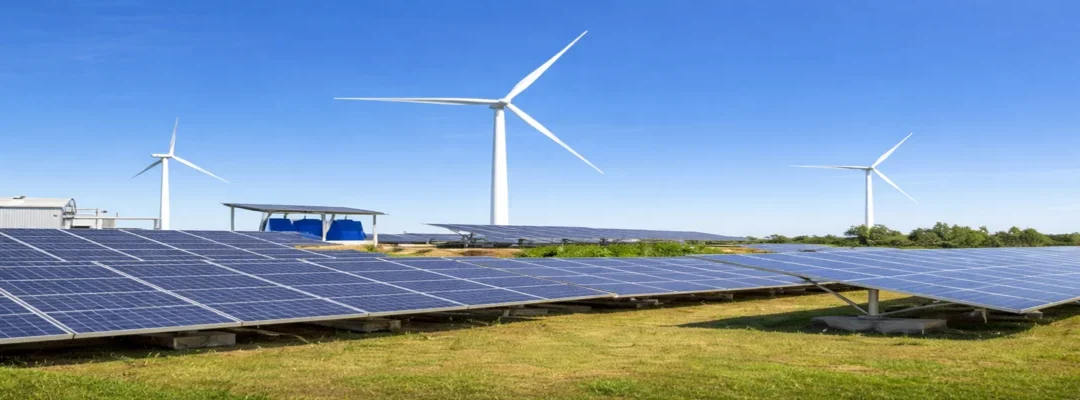
A hybrid energy system is a power setup that combines two or more energy sources so they can work together in one planned system. In residential renewable applications, this usually means combining solar power, wind power, battery storage, and sometimes grid supply to improve power availability and backup support.
For homes, one of the most practical examples is a solar + wind hybrid energy system. Solar panels produce electricity during daylight hours, while a wind turbine can generate power when site wind conditions are usable. When both sources are connected through the right controller, battery bank, and inverter, the result is a more flexible energy system than relying on a single source alone.
This guide explains what a hybrid energy system is, how it works, which components it uses, and when it may be a suitable choice for a home.
What Is a Hybrid Energy System?
A hybrid energy system is an integrated power system that uses more than one energy source in a coordinated way. Instead of depending on only solar or only wind, the system combines available sources so power generation, storage, and supply can be managed more effectively.
In renewable energy applications, a hybrid system may include:
- Solar panels
- Wind turbine
- Battery bank
- Hybrid inverter
- Charge controller or hybrid controller
- Grid connection in some cases
- Backup generator in selected designs
The purpose of a hybrid system is not just to add more equipment. The real purpose is to improve energy continuity, reduce dependence on a single source, and make better use of available renewable resources.
Why Are Hybrid Energy Systems Important?
Every energy source has limitations.
Solar performs best in good sunlight, but output drops in the evening, at night, and during poor weather conditions. Wind can support generation at other times, but only when site airflow is actually suitable. Batteries provide backup support, but they still depend on proper charging and correct system sizing.
A hybrid setup becomes useful because these sources can support one another.
For example:
- Solar may handle most daytime generation
- Wind may contribute when sunlight is low but airflow is available
- Batteries can store excess power for later use
- Grid supply can act as additional support where needed
For many homes, this does not mean running the entire property on renewable power at all times. In most real cases, it means supporting essential loads more intelligently and improving power reliability during changing conditions.
How Does a Hybrid Energy System Work?
A hybrid energy system works by combining generation, control, storage, and supply into one coordinated flow of electricity.
1. Solar panels generate DC power
Solar panels convert sunlight into direct current (DC) electricity. In many home hybrid systems, solar is the main generation source during daytime hours.
2. Wind turbine generates electricity
A wind turbine produces electricity when the site receives usable wind at turbine height. Actual output depends on airflow quality, mounting height, and nearby obstructions such as trees or surrounding buildings.
3. Controller manages solar and wind input
The solar and wind sources are not simply tied together without planning. A charge controller or hybrid controller manages input from both sources, regulates charging, and helps protect the battery bank.
4. Battery bank stores extra energy
When generation is higher than immediate consumption, the extra energy can be stored in batteries. That stored energy can later be used during outages, evening demand, or low-generation periods.
5. Inverter converts DC into AC power
Most household appliances use alternating current (AC) power. The inverter converts DC electricity from the solar array or battery bank into AC power that can be used by home circuits.
6. Power is supplied to selected loads
The final output is routed to the home’s selected circuits. Depending on the system design, the hybrid setup may support only essential loads or a broader part of the property.
In simple terms, the system keeps checking:
- Where Power Is Coming From
- How Much Energy Is Being Used
- Whether The Battery Needs Charging
- How Electricity Should Be Supplied Safely
Main Components of a Solar + Wind Hybrid Energy System
A hybrid system performs well only when the components are properly matched.
Solar panels
Solar panels capture sunlight and convert it into DC electricity. In most home systems, they provide the majority of energy during the day.
Wind turbine
The wind turbine adds a second renewable source. It can improve energy support when solar output is limited, but only if the site has suitable wind conditions.
Hybrid inverter
The inverter converts DC power into AC power and often plays a central role in energy distribution, load support, and battery coordination.
Charge controller or hybrid controller
This device manages charging input from solar and wind sources and helps protect the battery bank from unstable or excessive charging conditions.
Battery bank
The battery bank stores power for later use. It is especially valuable when backup during power cuts is part of the goal.
Monitoring and protection system
A good hybrid system also includes electrical protection and monitoring so performance and safety can be managed correctly.
Typical protection and monitoring elements include:
- Isolators
- Mcbs
- Surge Protection
- Earthing
- Battery Monitoring
- Controller And Inverter Display
- System Performance Monitoring
What Are the Main Benefits of a Hybrid Energy System?
A hybrid energy system can offer several practical advantages when it is designed for the right site and the right load requirement.
Better energy continuity
Because the system uses more than one source, it can support power availability across changing conditions.
Reduced dependence on one source
If solar output is low at a certain time, wind may help. If both sources are temporarily low, stored battery power may support essential loads.
Better battery charging opportunity
With two renewable inputs, there may be more chances to charge the battery under varying conditions.
Improved backup support
When integrated properly, the system can help keep selected circuits active longer during supply interruptions.
Smarter use of available resources
Instead of relying on only one renewable source, the system uses multiple available resources in a coordinated way.
Is a Hybrid Energy System Suitable for Every Home?
No. A hybrid system is not automatically the best option for every property.
It may be suitable when:
- The Site Has Good Solar Exposure
- Wind Conditions Are Reasonably Usable
- Backup Support Is Important
- Essential Loads Are Clearly Defined
- There Is Enough Safe Installation Space
- The Owner Wants A More Resilient Renewable Setup
It may not be suitable when:
- Wind Flow Is Poor Due To Dense Urban Obstruction
- The Property Has Very Limited Space
- Mounting Conditions Are Weak
- The Expected Load Is Unrealistic For The Available Budget And Installation Conditions
So the better question is not, “Is hybrid always better?”
The better question is, “Is hybrid suitable for this property, usage pattern, and energy goal?”
Why Proper Design Matters
Many people think a hybrid system simply means adding a wind turbine to a solar system. In practice, actual performance depends on how well the system is designed and integrated.
A proper design should consider:
- Daily Energy Requirement
- Peak Load
- Backup Requirement
- Solar Generation Potential
- Wind Feasibility
- Battery Capacity
- Inverter Sizing
- Electrical Safety And Protection
- Service And Maintenance Access
Without proper design, a hybrid system may become expensive, underperforming, or difficult to maintain.
FAQs
What is a hybrid energy system in simple words?
A hybrid energy system is a power system that uses more than one energy source together, such as solar, wind, battery storage, and grid supply.
How does a solar wind hybrid system work?
Solar panels and a wind turbine generate electricity, a controller manages the inputs, batteries store extra power, and an inverter supplies usable AC power to the home.
Is a hybrid energy system better than only solar?
It can be better when the site has usable wind conditions and the owner wants more flexible generation and backup support.
Does a hybrid system always need batteries?
Not always, but batteries are usually important when backup during power cuts is one of the main goals.
Can every house install a solar wind hybrid system?
No. Suitability depends on roof space, solar exposure, wind quality, structural safety, and actual household power needs.
What is the main advantage of a hybrid energy system?
The main advantage is improved energy flexibility by combining multiple sources into one coordinated system.