Tea Processing Conveyor

A Tea Processing Conveyor is a gentle, food-grade conveying system designed to move tea leaves smoothly from withering to sorting, drying, and packing without damage. It maintains leaf integrity, reduces manual handling, and ensures a clean, continuous flow—helping tea factories improve quality, hygiene, and overall productivity in every batch.

Tea processing conveyors are essential equipment in the tea industry, playing a crucial role in the smooth and efficient movement of tea leaves throughout all processing stages. A well-designed tea processing conveyor automates material handling from withering to sorting, drying, and packing—streamlining the workflow, reducing manual labour, and improving overall productivity.

These tea machinery conveyors are engineered to handle delicate tea leaves gently at every stage, from harvest to final packaging. With low-friction belts or rollers, they ensure a controlled flow of leaves, minimising damage, bruising, or breakage and preserving the natural flavour, aroma, and quality of the tea.

Because tea processing is a multi-step, sensitive operation, using the right tea processing conveyor system is vital. By automating the transfer of tea leaves between machines and processes, tea manufacturers can maintain consistent processing conditions, reduce handling errors, cut labour costs, and achieve superior, uniform tea quality batch after batch.
Explicit Sorts of Transports Utilized in Tea Processing

Belt Transports

Belt Transports

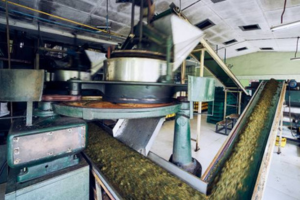
Belt transports are regularly used to move tea leaves through the processing stages. They guarantee proficient and controlled development along a constant belt, working with material stream and limiting harm to sensitive leaves.

Roller Transports

Roller Transports

Roller transports use pivoting rollers to ship plates or compartments of tea leaves, empowering a smooth and productive material stream while limiting the gamble of harm or breakage.

Slanted Transports

Slanted Transports

Slanted transports are utilized when tea passes on should be shipped upward or on a slope, considering proficient development between various levels in tea processing offices.

Advantages of Transports in Tea Processing

  1. Further developed Proficiency: Transports streamline the development of tea leaves all through the processing stages, lessening the time and work expected for manual taking care of and transportation.
  2. Delicate Dealing with Transports give a delicate and controlled treatment of tea leaves, limiting harm, breakage, and loss of medicinal balms during transport, which can affect the last tea quality.
  3. Exact Processing: Transports guarantee a steady and controlled progression of tea leaves, working with legitimate processing procedures like shrinking, rolling, maturation, and drying, bringing about wanted flavor profiles.
  4. Sterile Material Stream: Transports with clean plans and simple to-clean highlights add to keeping up with severe cleanliness norms in tea processing, forestalling cross-pollution, and guaranteeing item well-being.
  5. Quality Protection: By limiting actual dealing with and giving proficient material stream, transports assist with safeguarding the newness, fragrance, and flavor attributes of tea leaves, guaranteeing top-notch tea items for buyers.
  6. Work Effectiveness and Wellbeing: Transports lessen actual stress on laborers, limit the gamble of wounds related to manual material taking care of, and permit representatives to zero in on other basic assignments in tea processing.

Uses of Transports in Tea Processing

Reaped Leaf Transportation

Reaped Leaf Transportation

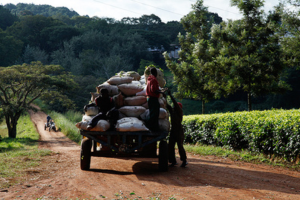
Transports transport newly culled tea leaves from the fields to the processing office, guaranteeing a persistent and controlled progression of the unrefined substance.

Shrinking Stage

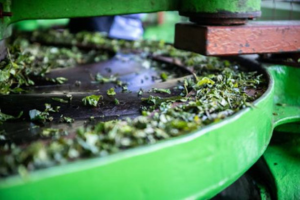
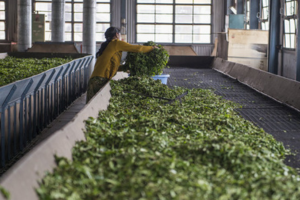
Transports aid the shriveling system by moving the culled tea passes onto the wilting box or plate, where controlled air dissemination and dampness expulsion happen.

Shrinking Stage
Rolling and Aging

Rolling and Aging

Transports transport wilted tea passes on to the moving machines or maturation chambers, working with the rolling and aging cycles vital for flavor improvement.

Drying Stage

  1. Transports transport the rolled or matured tea passes on to the drying machines, where they go through controlled intensity and air openness to eliminate dampness and finish the tea’s quality.
Drying Stage
Arranging and Reviewing

Arranging and Reviewing

Transports aid the computerized arranging and evaluating of handled tea leaves in light of size, variety, and quality boundaries, guaranteeing reliable item quality and market consistency.

Bundling

Transports are utilized to move the arranged and evaluated tea passes onto the bundling region, working with effective bundling activities for dispersion and deal.

Bundling

Challenges without Conveyor in Tea Processing factories

  1. Expanded Work Prerequisites: Manual taking care of and transportation of tea leaves without transports increment work requests and may bring about more slow processing and dissemination.
  2. Higher Gamble of Item Harm: Manual dealing represents a higher gamble of harm, breakage, and loss of medicinal ointments in tea leaves, influencing their quality, flavor, and market esteem.
  3. Conflicting Processing Strategies: Without transports, the development of tea leaves might be conflicting, prompting varieties in shrinking, rolling, aging, and drying processes, affecting the last tea quality.
  4. Cleanliness and Tainting Dangers: Manual taking care of builds the gamble of defilement, compromises the sterile guidelines expected in tea processing, and possibly influences the security and nature of the tea items.