Vacuum Suction Machine for Steel Plants
Synergy Automatics offers robust Vacuum Suction Machines for Steel Plants, engineered for extreme conditions involving iron ore dust, sinter fines, coke, pellets, slag powder, and limestone debris. Our solutions help maintain 5S standards, ensure safer work zones, and recover valuable material across large steel manufacturing operations.
What is a Vacuum Suction Machine for Steel Plants?
A Vacuum Suction Machine for Steel Plants is a heavy-duty industrial vacuum system designed to recover iron ore fines, pellets, coke dust, slag, and other material spillages. It helps maintain 5S cleanliness, reduces raw material loss, and improves safety by efficiently cleaning spillage areas like conveyors, blast furnaces, and sinter plants. Built for abrasive environments, it’s essential for dust control and housekeeping in steel manufacturing units.
Why Vacuum Suction Machines Are Crucial in Steel Plants
Steel manufacturing generates fine and abrasive dust that accumulates near:
Raw material handling zones
Screening & crushing areas
Conveyor transfer points
Blast furnace surrounds
Sinter and pelletizing units
Steel manufacturing generates fine and abrasive dust that accumulates near:
Faster and safer material recovery
Reduced labor and housekeeping time
Improved air quality and visibility
Reclaiming of valuable raw materials
Applications in Steel Manufacturing
Iron Ore & Pellet Spillage Recovery
Recovers fines from conveyor belts, loading zones, and transfer points for reuse.
Blast Furnace Area Cleaning
Sucks up coke dust, slag fines, and particulate matter around furnace units.
Sinter & Pellet Dust Collection
Enables efficient sinter fines recovery from screening and transfer areas.
Lime & Dolomite Cleaning
Minimizes airborne particles and powder build-up to improve operator visibility.
Conveyor Belt Underflow Cleaning
Prevents unplanned stoppages and improves conveyor efficiency.
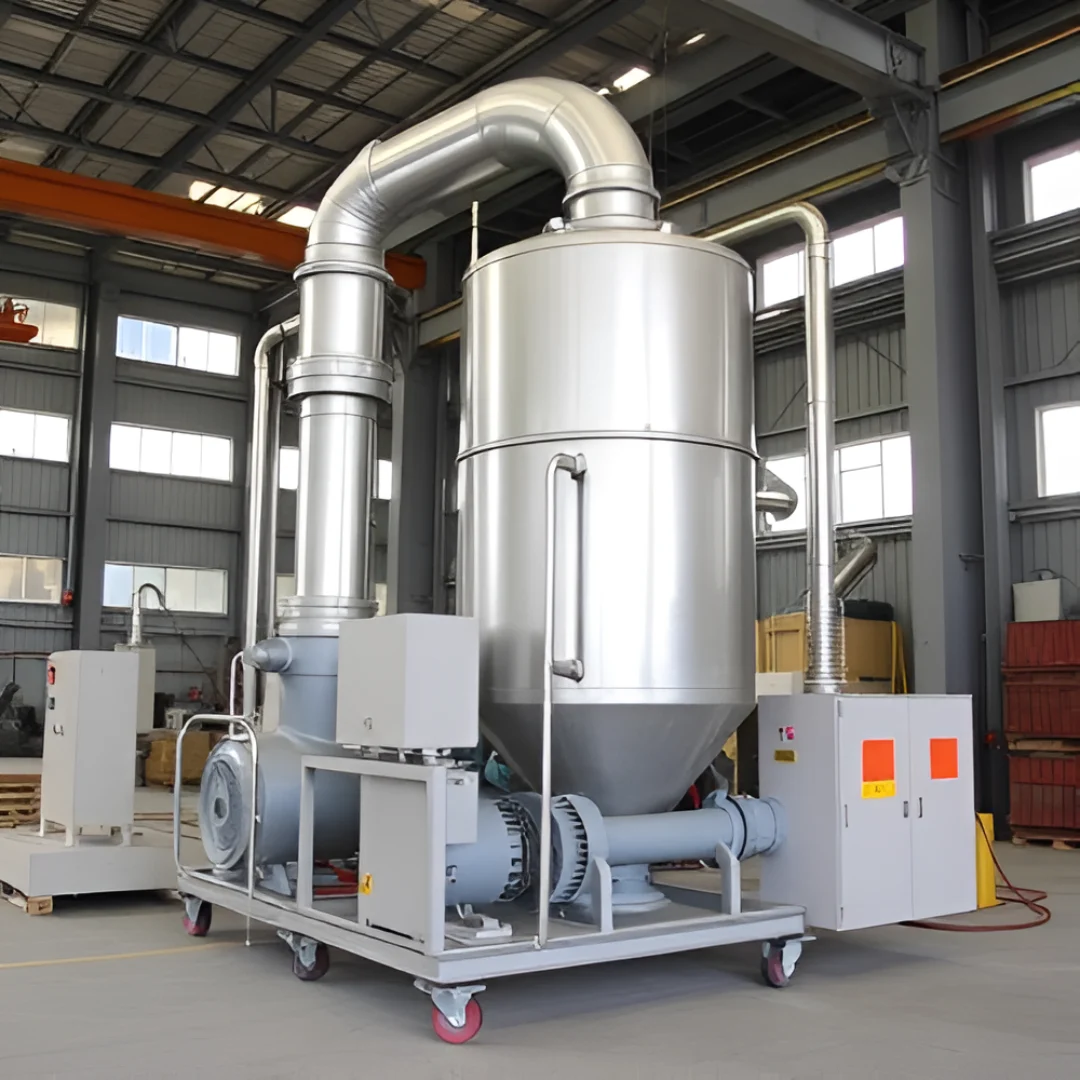
Key Features of Synergy Vacuum Suction Machines
High suction blower or vacuum pump (custom capacity)
Abrasion-resistant filters for harsh steel plant dust
Pulse-jet cleaning for longer filter life
Heavy-duty MS/SS tank body construction
Hose routing range up to 60 meters
Trolley-mounted or skid-mounted designs
Optional ATEX & explosion-proof versions available
Suited for wet & dry spillage, including slurry & chips
Benefits for Steel Plants
Reduced spillage losses (iron ore, sinter fines, coke)
Improved 5S, workplace hygiene, and air quality
Faster turnaround of maintenance/cleaning operations
Minimized unplanned downtime and machine wear
Lower manpower dependency and safer environment
Reusability of collected raw material (if uncontaminated)
Why Choose Synergy Automatics for Steel Plant Vacuum Systems?
15+ years of experience in steel plant automation & material recovery
Designed for continuous duty in high-temperature dusty environments
Retrofit-ready for legacy steel plant layouts
Custom-built systems for blast furnace, sinter, pellet, and conveyor zones
Full support — Installation, Training, AMC & Spares
Optional SCADA/IIoT dashboards for performance tracking
FAQ of Integrated Steel Plants
1. What kind of material can the vacuum machine collect in steel plants?
It can collect iron ore dust, coke particles, sinter fines, slag powder, lime/dolomite dust, and even granules and chips.
2. Can we reuse the recovered material?
Yes, most raw materials collected (iron ore fines, pellets, sinter) can be reprocessed if free from contamination.
3. Is it suitable for abrasive or high-temperature dust?
Absolutely. We use abrasion-resistant filters, special inlet designs, and rugged build quality for extreme steel plant conditions.
4. How far can the suction system reach?
We offer long-range suction — up to 60 meters — using high vacuum pressure systems with large-diameter hoses.
5. Do you offer mobile and fixed units?
Yes — based on your plant layout, we supply mobile trolley-mounted, skid-mounted, or fixed-position centralized systems.