List and types of vertical material transportation system
Vertical material transport systems are essential in manufacturing, construction, warehousing, and logistics to move materials efficiently between levels. This guide outlines the major types, when to use them, and how they compare based on load, height, and speed.
Types of Vertical Material Transportation Systems
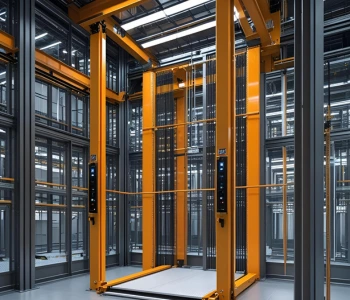
Elevators & Lifts
Used for transporting people or goods vertically in buildings, warehouses, and factories.
Types of Elevators for Vertical Transport
- Passenger Elevators (sometimes repurposed for light materials)
- Freight Elevators – Designed for heavy-duty goods
- Dumbwaiters – For lightweight items in hotels, kitchens, hospitals
- Goods/Service Lifts – Industrial lift platforms for medium load
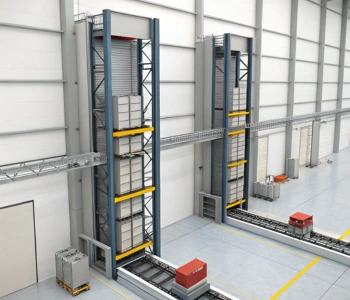
Vertical Reciprocating Conveyors
Mechanical or hydraulic lifts dedicated to goods transfer between floors.
Goods Lifts for Industrial Floor-to-Floor Transfer
- Hydraulic / Chain-Driven – Handles light to heavy loads
- Straddle / Cantilever Types – Fits different space needs
- Warehouse Friendly – Works well with racking systems
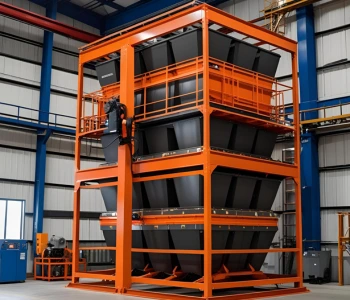
Bucket Elevators
Best for lifting bulk materials like powders, grains, and minerals.
- Centrifugal Discharge
Fast, for free-flowing materials (grains, powders) - Continuous Discharge
Gentle, for fragile or sticky materials - Positive Discharge
For sluggish or hard-to-flow materials
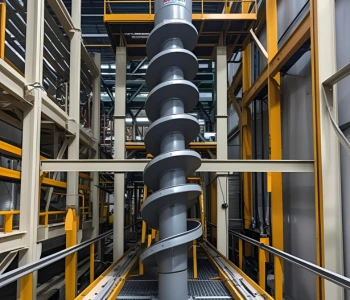
Screw Conveyors (Vertical)
Used for semi-solids or powdery substances.
- Inclined Screw Conveyor
Transports materials upward at an angle suitable for moderate elevation changes. - Vertical Screw Lift
Designed for true vertical movement with a small footprint — best for tight spaces and high-throughput applications.
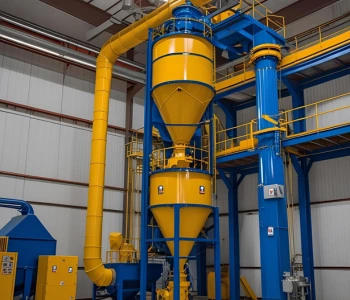
Pneumatic Conveying Systems
Air pressure-based systems for moving fine powders or granules.
- Dilute Phase Conveying
Transports lightweight materials at high velocity in a suspended flow. Ideal for flour, plastic pellets, or fly ash. - Dense Phase Conveying
Moves heavier, abrasive, or fragile materials at low speed in a slug or plug form. Suitable for cement, sand, or sugar.
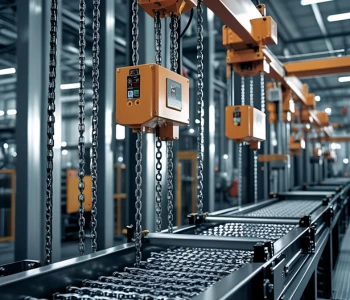
Chain Hoists & Chain Conveyors
Suited for heavier materials or machine components.
- Manual or Electric Chain Hoists
Lift and position heavy equipment with precision—ideal for workshops, factories, and maintenance tasks. - Bucket Chain Conveyors
Used for vertical or inclined transport of granular materials like coal, cement, and grains in industrial applications.
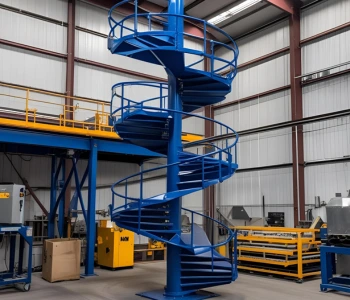
Spiral Conveyors
Compact conveyor systems designed for transporting boxes, cartons, and light goods.
- Continuous Flow: Ensures steady, uninterrupted throughput.
- Accumulating Spirals: Equipped with buffering to temporarily hold items when needed.
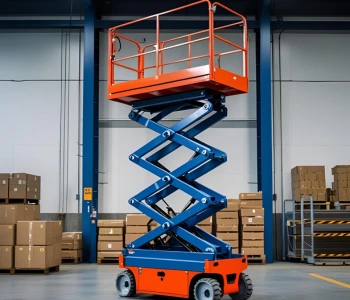
Scissor Lifts
Hydraulic or electric lifts used to raise platforms or equipment.
Stationary or Mobile: Can be fixed in one place or easily moved to different locations.
Surface-Mounted or Pit-Installed: Can be placed directly on the floor or set into a pit for easy access at ground level.
Common Uses: Often found in workshops and assembly areas to lift people or equipment safely.
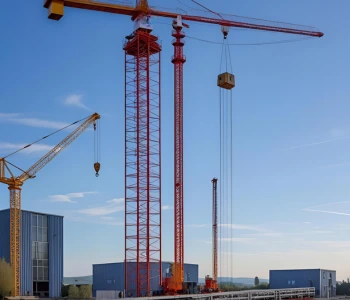
Tower Cranes (Vertical Lift + Swing)
Used in construction to lift heavy materials up and move them side to side.
- Lifts loads straight up.
- Swings loads around for easy placement.
- Handles heavy weights at great heights.
Applications Across Industries
Warehousing & Logistics: VRCs, spiral lifts
Construction Sites: Tower cranes, hoists
Agriculture: Bucket elevators, screw conveyors
Food & Pharma: Pneumatic lifts, cleanroom dumbwaiters
Manufacturing: Chain hoists, goods lifts
Comparison Table of Vertical Transportation Systems
| System Type | Material Type | Load Capacity | Max Height | Speed | Best Used In |
|---|---|---|---|---|---|
| Freight Elevator | General goods, pallets | High (500–5000 kg) | 20+ floors | Medium–High | Warehouses, commercial buildings |
| VRC | Pallets, crates, boxes | Medium–High (100–3000 kg) | 2–6 floors | Medium | Industrial storage, logistics hubs |
| Bucket Elevator | Grain, sand, cement | Medium | Up to 60 m | Medium | Agriculture, cement, processing plants |
| Screw Conveyor (Vertical) | Biomass, powders | Low–Medium | Up to 10 m | Low | Waste handling, chemical plants |
| Pneumatic Conveyor | Granules, powders | Low–Medium | 30+ m | High | Pharma, plastics, cleanrooms |
| Chain Hoist | Machinery, tools | High (up to 10 tons) | 5–10 m | Medium | Shops, assembly, construction |
| Spiral Conveyor | Boxes, packages | Low–Medium | 10–15 m | Medium | Packaging lines, ecommerce |
| Scissor Lift | Tools, maintenance gear | Low–High | Up to 6 m | Low | Facilities, production floors |
| Tower Crane | Construction materials | Very High | 300+ m | Low–Medium | Construction of high-rises |
| Dumbwaiter | Food, files, samples | Low (10–100 kg) | 2–6 floors | Low–Medium | Hotels, hospitals, restaurants |
Frequently Asked Questions
What is a vertical material transportation system?
A vertical material transportation system is equipment designed to move goods, raw materials, or finished products upwards or downwards between floors, levels, or heights in industries, warehouses, and construction sites.
What is the difference between elevators and vertical conveyors?
- Elevators → Used for lifting people and goods safely between floors.
- Vertical Conveyors → Primarily for continuous material movement in industries (boxes, cartons, bulk items).
Can conveyors reduce errors in laboratory research?
Yes, laboratory conveyors reduce manual handling errors by automating the transfer of samples and equipment, leading to more accurate experimental results.
Can vertical conveyors be automated?
Yes. Modern vertical conveyors can be integrated with automation systems, robotic pickers, and conveyors to improve productivity in smart warehouses and production plants.
What are the safety features of vertical material transportation systems?
Safety features include:
- Overload protection
- Emergency brakes
- Safety interlocks
- Guard rails & fencing
- Anti-fall mechanisms
What maintenance is required for vertical material transportation systems?
- Regular lubrication of chains, belts, and moving parts
- Inspection of safety interlocks and brakes
- Replacement of worn-out buckets, chains, or belts
- Scheduled servicing to minimize downtime
How do I choose the right vertical transportation system for my industry?
The choice depends on:
- Type of material (bulk, boxes, fragile, heavy)
- Load capacity & speed requirement
- Height of transfer
- Space availability
- Budget & maintenance needs
What is the load capacity of vertical conveyors?
Load capacity ranges from 50 kg for light-duty conveyors up to 10,000+ kg for heavy-duty elevators and hoists, depending on the design and industry requirement.