
Pharmaceutical Quality Control and Inspection Conveyors
Synergy Automatics is understood that pharmaceutical manufacturing demands uncompromised quality, precision, and compliance. With over 12 years of expertise in automation and conveyor solutions, we design systems that meet the strictest standards of pharmaceutical quality control and inspection. Our conveyors are engineered to maintain hygienic handling, support regulatory compliance, and ensure consistency across inspection processes. By integrating advanced technology with industry-specific knowledge, Synergy Automatics provides reliable solutions that help pharmaceutical companies uphold product safety, streamline operations, and achieve global certification standards.
With over 12 years of expertise in heavy-duty material handling systems, Synergy Automatics is trusted as a reliable partner for belt conveyors, bucketwheel reclaimer systems, and screw conveyors tailored to the unique challenges of the oil sands industry.
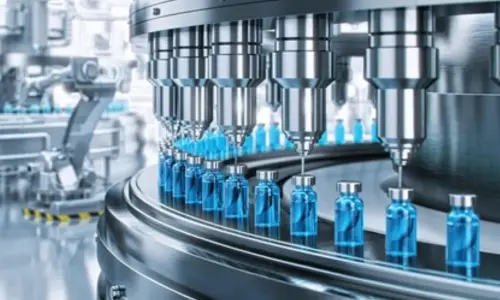
Role of Conveyors in Pharmaceutical Quality Control and Inspection
Pharmaceutical inspection conveyors support seamless product movement across GMP-compliant inspection stations, ensuring accurate monitoring at every stage. Whether it is visual defect detection, weight verification, or compliance checks, conveyors help maintain product consistency while reducing human error.
Instead of relying on manual handling—which increases the risk of contamination and inefficiency—automated conveyors for pharma inspection stations provide a hygienic, traceable, and scalable solution for high-volume production environments.
Types of Conveyors Used in Pharmaceutical Inspection Stations
Gravity Conveyors
Ideal for manual inspection setups, gravity conveyors use a sloped design to transfer products without external power, ensuring a cost-effective inspection method while maintaining product safety.
Belt Conveyors
Widely used in pharma quality control, belt conveyors ensure smooth and gentle transfer of sensitive products such as blister packs, vials, and bottles during inspection.
Inspection Conveyors
Specially designed pharmaceutical inspection conveyors are equipped with lighting, magnification, and adjustable speeds to help operators detect surface defects, cracks, or labeling issues with precision.
Applications of Conveyors in Pharmaceutical Quality Control
Visual Inspection
Products are transported under controlled lighting for defect detection.
Weighing & Measurement
Automated conveyors integrate with weighing scales to ensure dosage accuracy.
Sampling & Testing
Specific batches are moved to labs for pharma quality control testing.
Automated Rejection Systems
Defective products are automatically separated without halting production.
Benefits of Pharmaceutical Quality Control Conveyors
Improved Inspection Efficiency – Automated conveyors provide a steady flow of products through inspection stations, enhancing throughput and consistency.
Accurate Product Tracking – With integration into pharma quality assurance systems, conveyors allow detailed traceability for every unit tested.
Contamination-Free Handling – Designed with hygienic, GMP-compliant materials, conveyors minimize cross-contamination risks and preserve product integrity.
Regulatory Compliance – By ensuring controlled product movement and inspection consistency, conveyors help pharmaceutical manufacturers meet FDA, EU-GMP, and WHO standards.
Components of Pharmaceutical Inspection Conveyors
Conveyor Belt/Roller – Ensures controlled product movement through inspection lines.
Drive Unit – Provides consistent power for steady product flow.
Inspection Modules – Can include vision systems, weighing units, or rejection mechanisms for non-compliant products.
Challenges without Conveyors
- Manual Handling Risks – Increased contamination and operator error.
- Inefficient Inspection Flow – Slower inspection times leading to production bottlenecks.
- Inconsistent Traceability – Lack of automated product tracking reduces compliance accuracy.
Why Choose Synergy Automatics?

Proven expertise
With over 12+ years of experience, we specialize in designing conveyor systems tailored for pharmaceutical inspection and quality control processes.

Industry-Specific Solutions
Every pharmaceutical plant has unique inspection needs; we provide tailor-made conveyors for weighing, sampling, visual checks, and testing.

Regulatory Compliance
Our conveyors are built to meet strict GMP, FDA, and WHO standards, ensuring hygienic and contamination-free operations.

Hygienic Design
Manufactured using stainless steel and easy-to-clean surfaces, our conveyors maintain product safety and integrity.

Efficiency & Accuracy
Our systems streamline inspection processes, reduce manual handling, and deliver consistent product tracking and flow.

Durability & Reliability
Designed for heavy-duty operations, our conveyors ensure long-term performance with minimal maintenance.

End-to-End Support
From design and installation to maintenance and after-sales service, Synergy Automatics provides complete conveyor solutions.

Trusted by Leading Pharma Companies
Our conveyors are already used by top pharmaceutical manufacturers, making us a reliable partner in quality assurance.
FAQ - Pharmaceutical Quality Control Conveyors
Do you provide customized conveyors for pharma quality control?
Yes, Synergy Automatics offers tailor-made conveyor solutions to fit specific inspection processes like weighing, testing, or visual checks.
Can conveyors help reduce inspection time?
Absolutely. Automated conveyors streamline product movement, cutting inspection delays and increasing overall efficiency.
Are Synergy Automatics conveyors suitable for GMP standards?
Yes, all our conveyors are designed to meet GMP, FDA, and WHO compliance for safe pharmaceutical manufacturing.
What are pharmaceutical quality control conveyors?
They are specialized conveyors used to move medicines, tablets, or capsules through inspection stations for weighing, sampling, and visual checks.
Why are conveyors needed in pharma inspection stations?
They ensure smooth product flow, reduce manual errors, prevent contamination, and improve inspection speed and accuracy.