
Earth Moving and Excavation Belt Conveyor
Synergy Automatics, we specialize in manufacturing advanced excavation conveyor systems and earthmoving conveyor belts that are engineered to optimize material handling in construction, mining, and infrastructure projects. Our conveyors are built to handle soil, aggregates, rock, and debris efficiently, reducing reliance on manual labour and heavy machinery. By integrating our conveyors for excavation projects, companies can achieve faster project timelines, improved safety, and lower operational costs.
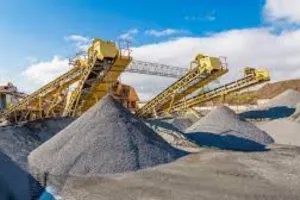
The Role of Conveyors in Excavation and Earthmoving
In modern construction and mining, conveyors in excavation are essential for transporting large volumes of soil, debris, and aggregates. Unlike traditional trucks and loaders, earthmoving conveyors provide a continuous and reliable flow of materials, ensuring uninterrupted operations.
Our conveyor systems for earthmoving are designed to:
- Streamline excavation material handling conveyors for faster site clearance.
- Reduce downtime caused by excessive truck movement.
- Provide cost-effective solutions for both small and large-scale projects.
Types of Conveyors Used in Excavation & Earthmoving
Belt Conveyors
Belt conveyors are widely used in excavation and earthmoving projects to move soil, gravel, or aggregates horizontally or on an incline. An Soil belt conveyor provides a continuous and efficient material flow, making it suitable for both short and long-distance movement.
Chain Conveyors
Chain conveyors are preferred in demanding environments where heavy or abrasive materials need to be handled. Unlike belt systems, they are built to move rugged loads such as rocks, debris, and oversized excavation material, making them reliable in tough earthmoving conditions.
Screw Conveyors
Screw conveyors are designed for controlled handling of finer materials. They are often used in smaller excavation projects or in situations where wet soil, loose earth, or fine particles need to be moved with precision.
Bucket Elevators
Bucket elevators are used when excavated material needs to be lifted vertically. They are common in projects where soil or aggregates must be transferred from ground level to elevated storage or processing areas.
Radial Stacking Conveyors
Radial stacking conveyors are used for building large, organized stockpiles. Their ability to swing in an arc allows efficient use of space, which is especially useful on excavation sites that generate significant volumes of soil or rock.
Portable Dirt Conveyors
Portable dirt conveyors are compact, mobile units often used in confined excavation areas such as basements, narrow trenches, and urban construction sites. They enable continuous removal of soil where larger machines cannot operate.
Applications of Soil Conveyor Systems
Our conveyors are widely applied across multiple industries, including:
Excavation Conveyor Belt Systems – For soil, rubble, and aggregate handling.
Soil Conveyor Applications – Ideal for landscaping, utility trenching, and foundation works.
Earth Moving Conveyor Solutions – For construction sites, tunnels, and mining.
Trench Excavation Conveyors – For pipeline projects, drainage, and underground cabling.
Excavation Material Handling Conveyors – For stockpile management and waste removal.
Benefits of Using Excavation & Dirt Conveyor system
Higher Productivity – Continuous movement of soil, gravel, and debris speeds up excavation projects and reduces downtime.
Lower Costs – Less dependence on trucks and manual labor means savings in fuel, manpower, and equipment wear.
Improved Safety – Minimizes manual handling and reduces risks associated with heavy machinery on-site.
Efficient Space Management – Stacking and transfer conveyors help create organized stockpiles and keep excavation sites clear.
Versatility – Suitable for trenching, basement digging, large-scale earthmoving, and waste removal.
Eco-Friendly Operations – By reducing fuel usage and heavy vehicle movement, conveyors support sustainable and cleaner earthmoving practices.
Key Components of Excavation Conveyor Systems
Conveyor Belt – The main transport medium carrying excavated material.
Drive System – Includes motor and gearbox for speed and direction control.
Safety Guards & Controls – Ensure operational safety during heavy-duty applications.
Rollers & Idlers – Reduce friction and ensure smooth belt movement.
Adjustable Height/Angle – Allows use in various excavation and earthmoving scenarios.
Difficulties of Excavation and Earthmoving without Conveyors
- Labour Intensity – Manual handling of soil, gravel, and debris in excavation projects increases workload, slows progress, and demands more manpower. Without excavation conveyor systems, productivity drops significantly.
- Inefficiency – The absence of conveyors for earthmoving often leads to inconsistent material flow, creating bottlenecks and delaying project timelines.
- Equipment Strain – Overreliance on trucks and heavy machinery for soil transfer puts extra strain on equipment. This not only raises fuel usage but also increases maintenance costs compared to using a soil conveyor system.
- Safety Concerns – Excessive manual handling and heavy vehicle movement raise safety risks for workers. Using excavation material handling conveyors greatly reduces these hazards.
Why Choose Synergy Automatics for soil conveyor?
At Synergy Automatics, we bring expertise and innovation to excavation and earthmoving conveyor solutions. Here’s why clients trust us:

Proven Expertise
Years of experience in designing and manufacturing conveyor systems tailored for excavation and earthmoving projects.

Custom-Built Solutions
From portable dirt conveyors to heavy-duty chain systems, we design conveyors that fit your exact project requirements.

Durable & Reliable
Our conveyors are engineered with high-quality materials to handle soil, rock, and debris in demanding site conditions.

Complete Support
We provide end-to-end services including design, manufacturing, installation, and maintenance.

Proven Performance
Our conveyor systems have been successfully deployed across construction, mining, and infrastructure projects, ensuring efficiency and cost-effectiveness.

Nationwide Reach
With manufacturing and service capabilities across India, we deliver quick support and reliable supply wherever your project is located.
FAQs
Why are earthmoving conveyor belts important in construction projects?
Earthmoving conveyor belts ensure continuous movement of bulk materials such as soil and aggregates. They reduce reliance on trucks, lower fuel costs, and help complete excavation projects faster.
What are trench excavation conveyors?
Trench excavation conveyors are compact systems designed to remove soil from narrow trenching projects, such as utility installations and pipeline works, ensuring efficient and safe material handling.
How do soil conveyors improve excavation efficiency?
Soil conveyors automate the lifting and transfer of heavy dirt loads, ensuring faster excavation progress. They streamline soil removal, reduce manual handling, and maintain consistent workflow, helping projects stay on schedule and within budget.
What are the main types of conveyors used in excavation?
The primary types are belt conveyors, chain conveyors, screw conveyors, bucket elevators, and radial stacking conveyors. Each type serves a specific role in soil transfer, stockpile management, or heavy-duty material handling.
How do excavation material handling conveyors reduce costs?
They cut down labour requirements, reduce fuel consumption, and minimize wear on heavy equipment. Over time, these savings make excavation material handling conveyors more cost-effective than traditional methods.
Are construction conveyors for earthmoving eco-friendly?
Yes. By reducing the number of trucks and heavy machines on-site, construction conveyors for earthmoving help lower emissions, fuel usage, and environmental impact.