
Demolition and Debris Removal Conveyors
Synergy Automatics is a trusted manufacturer of conveyors for demolition and debris removal, delivering robust and efficient conveyor systems designed to handle rubble, construction debris, and waste materials with ease. With years of expertise in material handling solutions for construction and demolition industries, we engineer conveyors that not only improve site productivity and worker safety but also support sustainable debris management and recycling practices.
Our conveyors are purpose-built to meet the unique challenges of demolition projects, debris transfer, and waste recycling operations, ensuring smooth movement of materials, reduced manual labour, and lower operational costs. By integrating belt conveyors, sorting conveyors, transfer conveyors, and radial stacking conveyors, we help construction professionals optimize site cleanup, streamline debris removal, and maintain environmental responsibility.
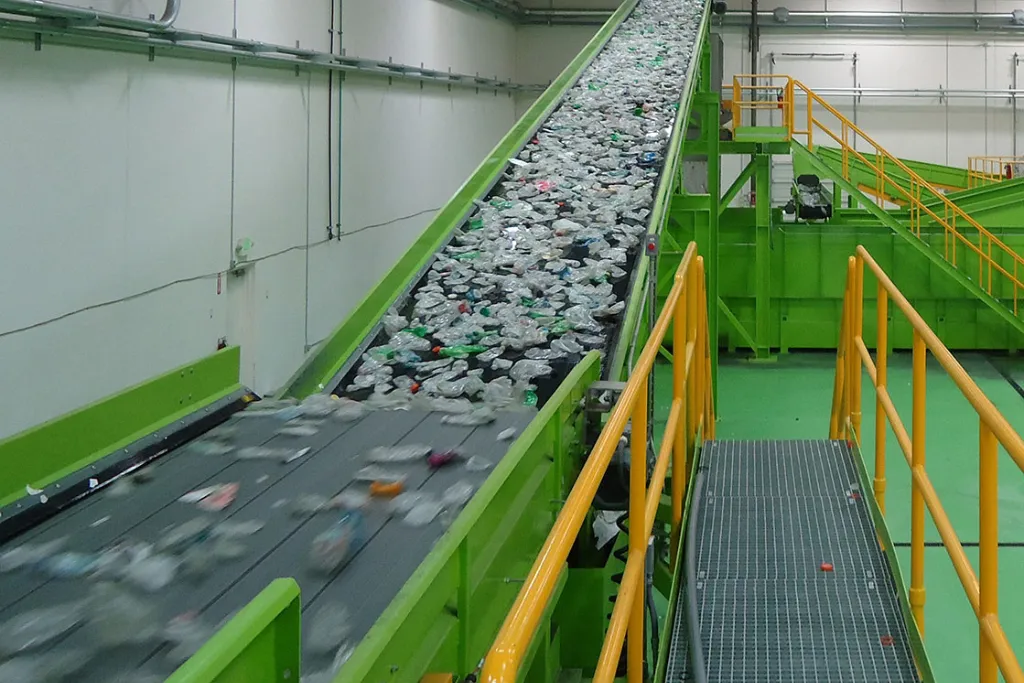
The Role of Conveyors in Demolition and Debris Removal
Demolition conveyors are specifically designed to handle rugged materials such as rubble, bricks, concrete, and waste. Positioned strategically across sites, these debris removal conveyors transfer materials efficiently from demolition points to designated recycling, processing, or disposal areas.
By reducing the need for manual handling and truck movement within sites, conveyors improve project timelines, cut operational costs, and minimize workplace hazards.
Types of Conveyors Used in Demolition and Debris Removal
Belt Conveyors
Belt conveyors are the most widely used in construction and demolition debris handling. Their continuous loop system enables smooth transportation of rubble across short and long distances, whether horizontal or inclined.
Sorting Conveyors
Sorting conveyors are crucial in construction waste management. They separate different materials such as concrete, metal, wood, and plastics, streamlining recycling processes and ensuring sustainability.
Transfer Conveyors
Transfer conveyors seamlessly move debris from demolition sites onto trucks, skips, or other conveyor systems. They reduce site congestion and maintain uninterrupted material flow.
Radial Stacking Conveyors
Radial stacking conveyors provide flexible stockpiling solutions by creating uniform material heaps. They are ideal for managing rubble before loading or recycling.
Applications of Conveyors in Demolition & Debris Handling
Recycling Operations
Separates concrete, wood, and metals to support circular economy practices.
Debris Transfer
Moves rubble from demolition areas to recycling or disposal zones.
Loading & Unloading
Streamlines the movement of waste into trucks or containers for transport.
Safe Material Handling
Reduces physical strain on workers and ensures compliance with safety standards.
Key Benefits of Using Conveyors in Demolition Projects
Increased Efficiency: Automated material transport accelerates cleanup and boosts productivity.
Reduced Equipment Costs: Less dependence on large trucks and loaders lowers fuel and maintenance expenses.
Improved Safety: Minimizes manual lifting and heavy equipment movement, reducing workplace accidents.
Environmental Sustainability: Sorting conveyors support recycling by diverting reusable materials away from landfills.
Cost Optimization: Lower labour requirements and faster cleanup translate to significant project savings.
Essential Components of Demolition and Debris Removal Conveyors
Conveyor Belt – The core element that carries debris efficiently.
Rollers & Idlers – Provide support, reduce friction, and maintain smooth belt movement.
Drive System – Includes motor and gearbox to control conveyor speed and direction.
Sorting Mechanisms – Sensors, chutes, or diverters that separate materials for recycling.
Challenges of Demolition without Conveyors
- Labour-Intensive Operations – Manual handling leads to fatigue and higher injury risk.
- Site Congestion – Excessive heavy equipment movement causes safety hazards.
- Inefficient Recycling – Without sorting conveyors, recyclable materials may end up in landfills.
- Higher Costs – More manpower and fuel consumption drive project costs upward.
Why Choose Synergy Automatics?
At Synergy Automatics, we specialize in designing and manufacturing heavy-duty demolition conveyors tailored for rugged environments. Our solutions ensure:

Proven expertise
Proven expertise in construction waste conveyors and rubble handling systems.

Industry-Specific Solutions
Customized conveyor solutions for demolition contractors and recycling facilities.

Advanced Automation
Commitment to safety, cost-efficiency, and sustainability.

Scalable Designs
Durable designs that withstand abrasive materials like concrete, brick, and stone.
FAQs – Demolition and Debris Removal Conveyors
What type of conveyor is best for debris removal?
Belt conveyors are most common for rubble and debris transport, while sorting conveyors are ideal for recycling and segregation.
Can conveyors handle heavy demolition rubble like concrete?
Yes, heavy-duty demolition conveyors are built to withstand concrete, bricks, and large rubble.
How do conveyors improve safety on demolition sites?
By minimizing manual lifting and reducing heavy machinery traffic, conveyors lower the risk of accidents and injuries.
Are conveyors cost-effective in demolition projects?
Absolutely. They cut labour costs, reduce fuel usage, and accelerate cleanup timelines.
Can conveyors support recycling in demolition projects?
Yes, sorting conveyors play a vital role in separating recyclable materials such as metals, wood, and concrete.