
Belt Conveyors in Cement and Lime Mining
Synergy Automatics, we specialize in designing and manufacturing cement industry conveyors and conveyor systems for lime mining that optimize heavy-duty material handling. With over 15 years of experience, we deliver robust, efficient, and cost-effective belt conveyors for cement industry applications and tailored systems for the most demanding mining environments.
The Role of Conveyor Systems in Cement and Lime Mining
In both cement and lime industries, the continuous movement of raw materials like limestone, shale, clay, and clinker is vital. Conveyor systems in cement plants ensure uninterrupted production by automating the movement of bulk materials from quarry to processing, grinding, and final dispatch.
Our cement plant material handling conveyors help streamline operations, improve workplace safety, reduce energy costs, and minimize manual labor.
Types of belt Conveyors in Cement and Lime Mining
Efficient and continuous bulk material handling is critical in cement and lime industries. Below is an overview of the most commonly used conveyor systems in cement plants and lime mining operations, along with their applications and benefits:

Belt Conveyors
The most widely used conveyor type in cement and lime mining, belt conveyors transport raw materials like limestone, shale, clay, and gypsum across long distances.
Benefits
High-capacity, long-distance handling
Ideal for kiln feed, limestone transport, and clinker movement
Low operational cost and energy-efficient
Reduces spillage and material loss
Core system in any cement plant material handling conveyor setup
Screw Conveyors
Designed for moving fine powders and granules like fly ash, cement dust, or lime powder within enclosed troughs using a helical screw mechanism.
Benefits
Compact and space-efficient
Controlled material feeding for consistent process flow
Prevents dust emission during transfer
Common in raw material conveyors in cement plants

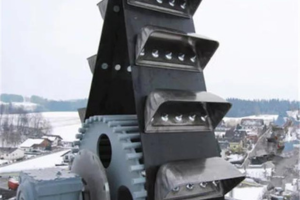
Bucket Elevators
Used for vertical lifting of cement, crushed limestone, or finished lime products between different processing stages.
Benefits
Reliable vertical transport with minimal footprint
Dust-controlled discharge and inlet points
Frequently used in clinker handling conveyor systems
Drag Chain Conveyors
Ideal for enclosed, horizontal or inclined transport of abrasive materials in cement and lime processing plants.
Benefits
Handles abrasive, hot, or sticky materials effectively
Suitable for kiln feeds and under-hopper discharge
Durable chains for extended operational life

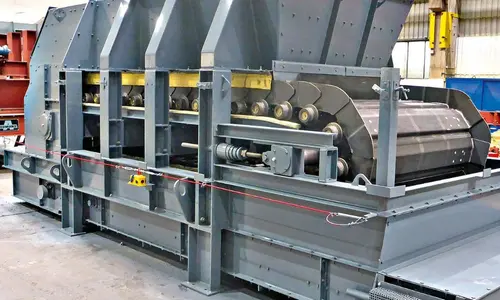
Apron Conveyors
Heavy-duty conveyors equipped with overlapping metal plates, used to transport large, hot, or sharp-edged materials in mining areas.
Benefits
Withstands heavy impact loads
Ideal for moving oversized raw stone or clinker
Supports rough mining environments in lime industry conveyor systems
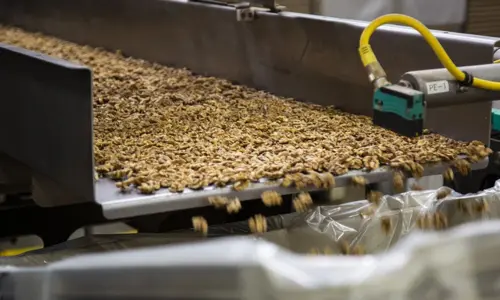
Vibrating Conveyors
Use linear or elliptical vibrations to move moist, sticky, or fragile materials prone to clumping.
Benefits
Often used where belt conveyors may clog
Gentle handling minimizes material breakdown
Excellent for fines, moisture-rich lime, or sand

Pneumatic Conveyors
Use pressurized air or vacuum to move powdered materials such as dry cement, fly ash, and hydrated lime through pipes.
Benefits
Clean and dust-free transport
Ideal for long-distance movement of powdered bulk
Minimal maintenance and enclosed system design
Common in cement industry material handling systems
Applications of Conveyor Systems in Cement and Lime Mining
Modern cement plant conveyor systems and lime industry material handling conveyors play a central role in automating key processes across mining and production stages. Below are the core applications:
Feeding Kilns, Grinders, and Silos
Automated conveyors ensure consistent feeding of key processing equipment like rotary kilns, vertical mills, and storage silos—helping maintain uniform production output and reducing material flow interruptions.
Overburden and Waste Management
In open-pit mining operations, conveyors transport overburden (soil, debris, unusable rock) to designated dumping or storage zones—freeing up space for productive excavation and improving site safety and order.
Intermediate and Final Stockpiling
Conveyor systems for cement handling support stacking operations for clinker, aggregates, or limestone into organized piles or silos ready for dispatch or future processing. Stackers and reclaimers ensure fast, controlled, and dust-minimized movement of materials.
Raw Material Transport to Crushing Plants
Conveyors in limestone mining and cement operations are used to move extracted raw materials—such as limestone, clay, and shale—from the quarry face to crushers. This enables continuous feeding for size reduction and further processing.
Loading and Unloading Operations
Heavy-duty belt conveyors for cement plants streamline the loading of raw materials or finished products onto trucks, rail wagons, or ships. At destination points, conveyors also enable precise and efficient unloading—reducing manual handling and delays.
Advantages of Conveyors in Cement and Lime Mining
Consistent Production: Conveyors guarantee a consistent and dependable stockpile of natural substances to the handling plants, upgrading cement and lime creation rates.
Cost Savings: Conveyors lessen the dependence on difficult work and various vehicles, bringing about long haul cost reserve funds in cement and lime mining activities.
Enhanced Safety: Mechanized material taking care of through conveyors lessens laborer openness to perilous regions, limiting the gamble of mishaps related to manual dealing.
Efficient Material Handling: Conveyors smooth out material transportation, decreasing difficult work and working on general productivity in cement and lime mining tasks.
Challenges Without Conveyor Systems in Cement and Lime Mining
Operating without modern conveyor systems in cement plants or lime mining operations presents several logistical and operational setbacks that hinder productivity, safety, and cost-efficiency.
Increased Equipment Wear and Tear
Transporting materials manually or with mobile equipment accelerates equipment degradation due to excessive loading, leading to higher maintenance and replacement costs.
Material Loss and Spillage Risks
Manual transfers and vehicle movements increase the chance of raw material spillage or contamination—causing material waste, clean-up costs, and reduced product quality.
Higher Energy and Fuel Consumption
Heavy machinery used in place of conveyor systems consumes significantly more energy and fuel, raising operational expenses and increasing the site’s carbon footprint.
Reduced Production Efficiency
Manual or vehicle-based transport is slower and inconsistent, leading to bottlenecks in material flow. These results in decreased throughput and potential delays in cement or lime production.
Labour-Intensive Material Handling
Without conveyors, operations rely heavily on manual labor or mobile equipment (like loaders and dump trucks), increasing physical strain, safety risks, and overall workforce costs.
Why Choose Synergy Automatics?
15+ Years of Expertise in cement plant and lime mining conveyor solutions
Custom-Engineered Systems based on your site layout and material flow needs
Made in India with durable, heavy-duty components
On-Site Support, installation, and maintenance services
Automation Ready: Compatible with SCADA, PLCs, and safety systems
FAQs
Can conveyor systems be customized for my cement plant layout?
Absolutely. At Synergy Automatics, we provide custom-engineered conveyor solutions tailored to your plant’s space, capacity, elevation needs, and material flow—from raw material intake to final product loading.
How do conveyors improve safety in cement plants?
By automating material transport, conveyors reduce the need for manual handling and exposure to hazardous zones like crushers or kiln areas—minimizing the risk of accidents and fatigue-related injuries.
Are conveyor systems suitable for hot clinker handling?
Yes, specially designed clinker handling conveyor systems use heat-resistant belts and durable components to safely move hot, abrasive clinker from kilns to coolers or silos.
What is the best conveyor system for limestone transport?
Heavy-duty belt conveyors are ideal for limestone transport in quarries and cement plants. They’re capable of moving large volumes over long distances and handling abrasive materials with minimal spillage or downtime.
Why are conveyors important in cement industry operations?
Conveyors ensure efficient, automated, and continuous movement of raw materials like limestone, clay, and gypsum—boosting production rates, reducing labor costs, and improving plant safety and operational flow.